Some budget IEMs try to win attention by sounding bigger, brighter, and more aggressive than they need to be. The Cozoy D1 takes a more careful route. What makes it interesting to me is not that it reinvents the entry level market, but that it tries to sound mature from the start. That is a smart move for a first product, especially in a segment crowded with attention grabbing tunings that can impress for ten minutes and wear me down after an hour.
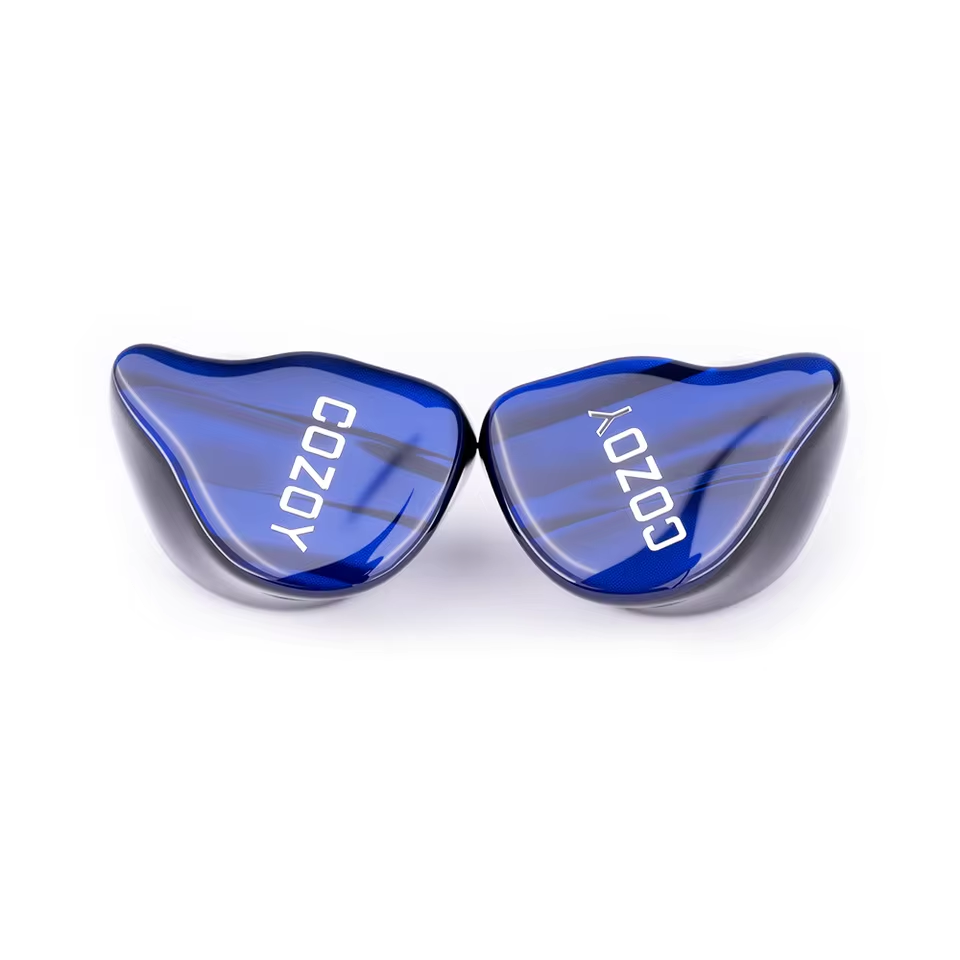
Cozoy D1
The D1 is built around a single 10mm graphene diaphragm dynamic driver, with a dual cavity and dual magnetic circuit design, and it enters the market at a price where compromises are expected. Even so, this is not a throwaway effort. The shell design, accessory selection, and especially the cable all give the impression that Cozoy wanted the D1 to feel more complete than its price suggests. I do not get the sense of a bare minimum release here.
What stands out even more is how deliberate the tuning direction feels. Instead of chasing extremes, the D1 seems tuned to be usable across a wide range of music without constantly drawing attention to itself. That is not always exciting on first listen, but it is often what keeps an IEM relevant after weeks or months of use. It feels like a product designed with long term listening in mind rather than quick impressions.
Sonically, the D1 lands in a space that feels broadly Harman adjacent, but it does not come across as a hard edged interpretation of that target. To my ears, the appeal is in the balance between sub bass presence, a fairly natural vocal range, and a treble response that usually stays civil. Opinions do differ on how bright it gets, and I think that is fair. On some tracks it can sound clean and energetic, while on others it can flirt with sharpness.
That tension is what defines the D1 for me. It is not the most explosive, the most technical, or the most daring budget IEM. What it offers instead is a comfortable, easy to like tuning with just enough spice to stay interesting, and that can be a far more valuable quality than a dramatic first listen.
Unboxing and First Impressions
The unboxing experience is simple, and I think that suits the product. The D1 arrives in an unassuming box rather than trying to dress itself up as something luxurious. At this price, I would much rather see the money go into the essentials, and for the most part that seems to be what happened here.
Inside, the package is straightforward but not stingy. You get the earpieces, the purple cable, and a generous spread of ear tips. That tip selection stands out because it gives the D1 a better chance of fitting different ears and different preferences right away. In a market where even pricier sets sometimes arrive with a token accessory pack, getting multiple tip options feels more useful than fancy packaging.
The cable also makes a strong first impression. It does not look like an afterthought, and in this category that matters. There is a bit of personality in the purple finish, and it helps the D1 avoid the generic budget IEM look. The hardware gives the setup a cleaner, more polished appearance as well.
The only obvious omission is a carrying pouch or case. I do feel that absence because a basic pouch would have completed the package nicely, especially for a model that otherwise gives a better impression than its price would suggest. Still, the unboxing does enough to make the D1 feel considered rather than stripped down. It is modest, but not disappointing.

Cozoy D1 Accessories
Build Quality and Design
The D1 makes a strong case for itself on design alone. The shells use a 3D printed resin body with metal nozzles, and the overall look is clean, simple, and tasteful. I like when a budget IEM avoids trying too hard to appear flashy, and that is exactly what happens here. The shape looks purposeful, and the visual identity gets a welcome lift from the purple cable.
That cable deserves special mention because it is one of the most memorable parts of the whole package. It is a silver plated single crystal copper design with a soft outer sheath and metal hardware, and it looks more premium than I would expect at this level. In photos and descriptions, it seems to be one of the D1’s signature touches, and I can understand why. It gives the IEM some personality without becoming gaudy.
The one caveat is that not every part of the cable seems equally polished in practice. The upper sections near the ear hooks have been described as less smooth and more prone to tangling, so while I find the overall cable quality impressive for the price, I would not call it flawless. It is more a pleasant surprise than a giant killer.
Comfort looks like one of the D1’s clearest strengths. The shells are light, the nozzle angle is non aggressive, and the size appears friendly even for smaller ears. The nozzle design includes a proper lip to keep tips in place, which is a small detail but one I always appreciate. There are also comments about excellent long session comfort, and that fits with the shell design.
What reinforces that impression is how practical the design choices feel. Nothing here is experimental or risky. It is all geared toward making the D1 easy to wear, easy to seal, and easy to forget once the music starts. That kind of usability is often overlooked but becomes critical over time.
Fit and accessory impressions are not completely unanimous. Some listeners seem to love the included tip selection, while others are less impressed by the shapes. That does not strike me as a major red flag so much as a reminder that tip preference is personal. What seems much more consistent is that the shell itself is well judged. For daily use, the D1 looks easy to wear, easy to seal, and easy to live with.
Sound Quality
The overall tuning of the Cozoy D1 feels safer than showy, but not boring. What I hear in the way it is described is an IEM that aims for an easy balance between warmth, clarity, and comfort. It does not seem built to shock with huge contrast or exaggerated sparkle. Instead, it leans into a controlled low end, a pleasing vocal region, and treble that usually behaves itself. That makes it sound like a set designed for longer listening rather than quick showroom impact.
Bass
The bass profile is one of the more interesting parts of the D1. It is often described as sub bass focused, and that matches the impression I get of its low end character. Rather than pushing a thick, constantly elevated mid bass hump, it seems to favor a cleaner sense of rumble and depth. That approach gives the D1 a sense of foundation without overwhelming the rest of the spectrum.
I do not come away thinking this is a basshead set, but I also would not call it lean. The D1 appears to carry enough low end presence to sound satisfying, with better control than the usual cheap and bloated approach. Compared with something like the EPZ G20, the D1 is said to sound bassier, while the G20 keeps things tighter and more restrained. That tells me the D1 is aiming for a fuller and more fun presentation, but without losing discipline.
There is some conflict in how warm and quiet the bass feels versus how clearly sub bass forward it is, and I think both views can coexist. To my ears, that likely means the D1 emphasizes depth more than punch. It is present, audible, and foundational, but not necessarily hard slamming in the mid bass.
Midrange
The midrange seems to be where the D1 earns most of its goodwill. Vocals are often framed as natural, clear, and slightly warm, and I think that is a very attractive formula at this price. If the bass gives the sound body, the mids appear to keep it grounded and human. That matters because a lot of budget V shaped sets can make singers sound pushed back or thinned out.
What I find compelling is how the mids integrate with the rest of the tuning. Even when the low end adds weight and the treble brings energy, the midrange does not collapse. It remains present, coherent, and free from the plasticky tone that often affects entry level IEMs. That balance is what gives the D1 its everyday usability.
Treble
Treble is where the D1 becomes a little more track dependent. In the best case, it sounds energetic enough to prevent the tuning from becoming sleepy. There seems to be enough upper end presence to outline details, add some air, and keep the presentation from tilting too dark.
At the same time, I wouldn’t call the treble perfectly smooth. Most of the time it stays relaxed and non-fatiguing, even when I push the volume, but every now and then I catch a bit of sharpness or sibilance. It shows up more clearly with brighter tracks, especially J-Pop.
That tells me the D1 is not truly dark. It is better described as mostly safe with some selective bite. In most scenarios, the treble supports rather than dominates, but it is not completely forgiving of aggressive recordings.
Technical Performance
To my ears, the technical performance is strong for the price, though I still keep my expectations realistic. I do hear a sense of space and capability that stands out at this level. Soundstage, imaging, and overall clarity all come across better than I would normally expect from something in this range.
The stage does not seem huge, but it appears open enough to avoid the boxed in sensation that cheaper single dynamic sets can have. Instruments have room to breathe, and the presentation feels organized rather than congested.
I would frame the D1’s technical ability as comfortably above average for a budget all rounder rather than a detail monster. It seems to separate instruments well enough, hold together at volume, and present music with a clean, organized structure.
How It Compares
The most useful comparisons place the D1 against other budget single dynamic sets that chase either more bass, more brightness, or more obvious excitement. Against the EPZ G20, the contrast seems fairly clear. The D1 comes across as the fuller and bassier option, while the G20 sounds tighter and more controlled in the low end. That makes the D1 feel like the more relaxed and weighty listen, whereas the G20 may appeal more to listeners who want cleaner edges and firmer discipline.
Against the Dunu Titan X, the differences seem to revolve around bass character. The Titan X is described as having a bigger and rumblier low end, but also a softer, more pillowy bass texture. The D1, by comparison, sounds cleaner and more controlled. That is a meaningful distinction because it suggests the D1 is not trying to win by sheer low end quantity.
What ties these comparisons together is consistency. The D1 does not try to dominate any single metric. Instead, it offers a balanced profile that trades extremes for usability. That makes it a safer recommendation for a wider range of listeners, especially those who want something dependable rather than experimental.
Is It Right for You?
The Cozoy D1 makes the most sense for listeners who want comfort, a sensible tuning, and an IEM they can use for hours without feeling constantly challenged by the sound. If you enjoy a touch of sub bass emphasis, natural vocals, and a presentation that stays composed rather than dramatic, this feels like a very sensible pick.
I think it is especially well suited to someone entering the hobby who wants to avoid the common budget tuning mistakes. The D1 does not sound like a set built around one gimmick. It sounds like an attempt to get the basics right: decent low end weight, pleasing mids, enough treble energy to stay alive, and good physical comfort.
It also seems like a good fit for lighter gaming and casual multimedia use, where an easygoing sound can matter more than exaggerated cinematic impact. I would not choose it as a movie specialist if you want huge effects and massive stage, but for relaxed play and general use it sounds convincing.
I would be more cautious if you are very sensitive to upper mid or treble glare, or if you mainly listen to bright recordings and sibilant vocal tracks. Likewise, if you want a true bass cannon or a very analytical monitor, there are more specialized choices.
For everyone else, especially listeners who value fit and daily usability, the D1 sounds easy to recommend.
Final Verdict
The Cozoy D1 feels like a thoughtful entry into a very competitive space. It does not rely on gimmicks or exaggerated tuning to stand out. Instead, it focuses on comfort, balance, and everyday usability.
What stands out most is how cohesive it feels. The build, the cable, and the tuning all point in the same direction. Nothing feels out of place, and that sense of cohesion is what makes it easy to live with over time.
It is not perfect. A carrying pouch should have been included, the cable is not flawless in every section, and the treble can show a bit of edge on the wrong material. But none of those issues overshadow the bigger picture.
In the end, the D1 succeeds by being consistent. It is not trying to impress in the first minute. Instead, it builds value over time by being reliable, comfortable, and musically satisfying across a wide range of genres.
If what you want is an affordable IEM that you can use daily without fatigue, with enough technical ability to stay engaging and enough balance to avoid obvious flaws, the Cozoy D1 earns its place without much effort.
Where to Buy
You can find the Cozoy D1 on:
Affiliate Disclaimer: Listen Vibes may earn commissions from qualifying purchases that helps to maintain the website - at no extra cost to you.