Not every impressive IEM needs an aggressive tuning or an exaggerated sense of detail. Sometimes, getting the balance right is considerably more interesting. The Juzear Light Shuttle takes that approach, combining a slightly U-shaped sound signature with satisfying bass, natural mids, and treble that prioritizes smoothness over spectacle. At around $185, it offers a compelling alternative to earphones that attempt to impress through sheer intensity.
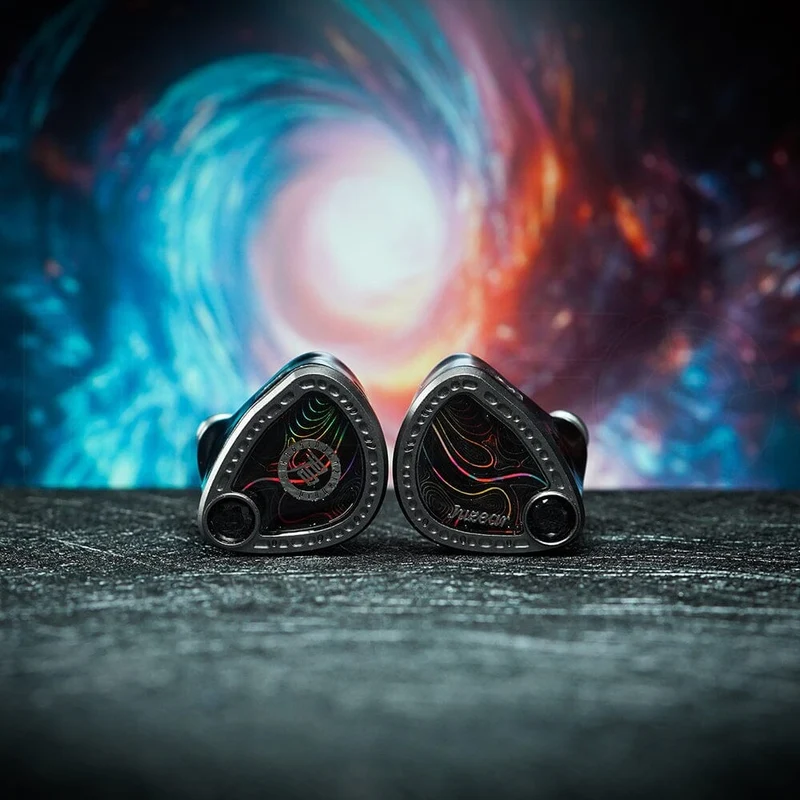
Juzear Light Shuttle
Inside each shell is an ambitious seven driver hybrid configuration consisting of one dynamic driver, four balanced armatures, and two micro planar drivers. The tuning also involves a collaboration with Mark Ryan of Super Reviews through the Squiglink tuning initiative. That combination makes the Light Shuttle interesting on paper, but its appeal ultimately comes from how comfortably its sound signature fits together.
What attracts me most is the balance between warmth and clarity. The bass has enough presence to make music enjoyable without completely taking over, while the midrange remains natural and the upper frequencies avoid becoming unnecessarily aggressive. There is a pleasant sense of restraint to the presentation, even when the low end introduces some welcome energy.
However, that restraint is also the Light Shuttle’s greatest potential weakness. I can appreciate a well executed, relaxed tuning while still wanting a little more excitement from certain recordings. This is not an IEM designed to deliver dramatic coloration or overwhelming bass. Instead, it aims for a convincing middle ground between musical engagement and everyday versatility. For listeners who value that balance, the Light Shuttle makes a strong case for itself.
Unboxing and First Impressions
The Juzear Light Shuttle makes its strongest initial impression through the earphones themselves. The attractive shells, decorative metal faceplates, and coordinated design give the product a more sophisticated appearance than its relatively accessible price might suggest. Rather than relying on an overly complicated visual identity, Juzear has produced something that looks distinctive while retaining a reasonably understated character.
I particularly like the contrast between the decorative surfaces and the more functional shape of the shells. The metal detailing gives the earphones an appealing premium touch, while the construction remains focused on creating a comfortable fit. It is the sort of design that feels appropriate for an enthusiast product without becoming unnecessarily extravagant.
The included cable also deserves attention. Its presentation is preferable to the fabric sheathed cable supplied with the CJ20, giving the Light Shuttle a more appealing overall package. A good cable should complement an IEM rather than draw attention to itself, and the Light Shuttle benefits from that straightforward approach.
For me, the more important consideration with any unboxing experience is whether the hardware feels consistent with the asking price. Around $185 places the Light Shuttle in a competitive category where attractive presentation alone is not enough. Fortunately, the visual design and construction provide a favorable impression of the product’s quality.
The result is an appealing first introduction: a handsome pair of hybrid earphones with enough visual character to stand apart, but without allowing cosmetic details to overshadow the actual listening experience.
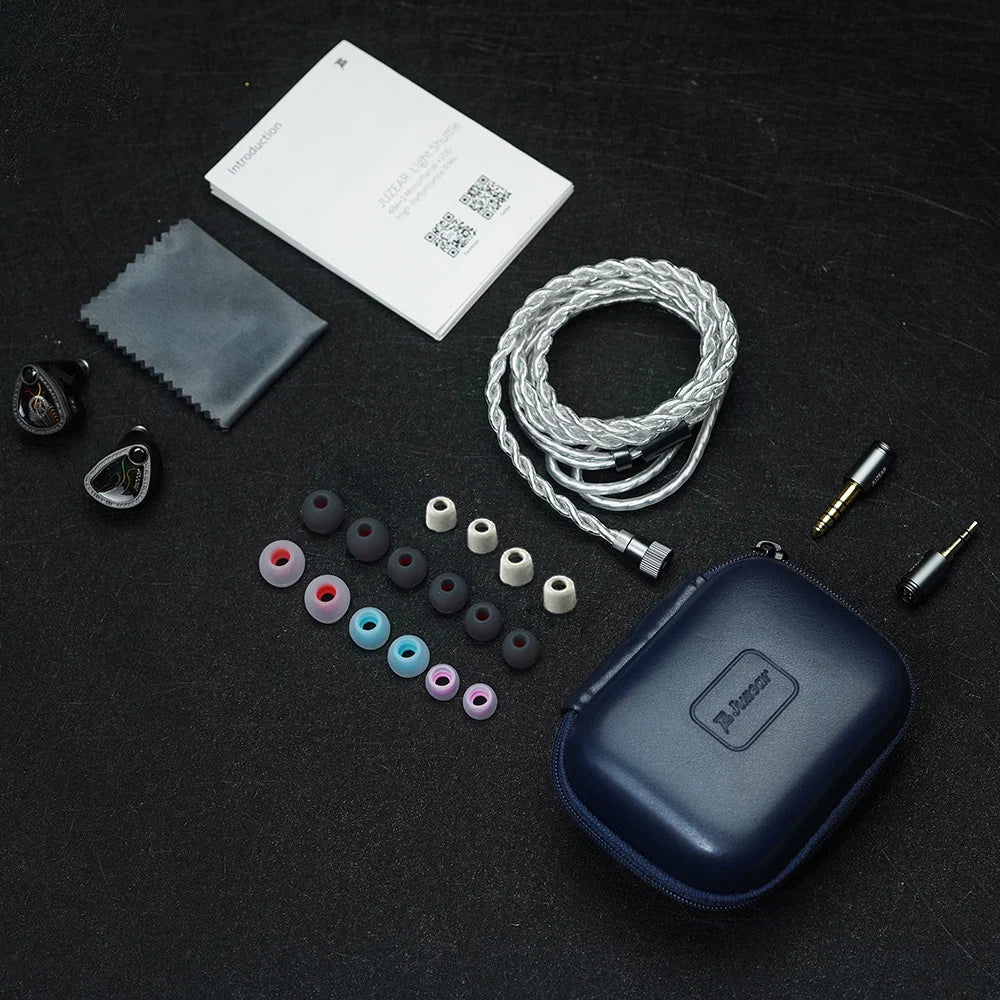
Juzear Light Shuttle Accessories
Build Quality and Design
Juzear has given the Light Shuttle a genuinely attractive shell design. The faceplates incorporate metal detailing, and the metal ridge around the exterior adds another layer of visual interest. I like this approach because the metallic elements serve a practical purpose as well as an aesthetic one, potentially offering additional protection around vulnerable areas of the housing.
The overall construction feels appropriate for an IEM positioned around $185. It presents itself as a carefully designed product rather than an inexpensive shell decorated to disguise its price. The combination of attractive surfaces and structural details creates a convincing impression of quality, although decorative metal should not automatically be mistaken for complete protection against accidental damage.
Another important feature is the ventilation incorporated into the housing. The rear vents are a sensible addition to a hybrid design that includes a dynamic driver, and the earphones have a well ventilated character. I appreciate this attention to practical design because the experience of wearing an IEM involves more than simply finding the right exterior shape.
Comfort is another positive aspect. The Light Shuttle has an ergonomic profile that sits naturally in the ear, with a shaped protrusion intended to follow the ear’s anatomy and help stabilize the shell. This gives the design a reassuring sense of security without making it appear excessively complicated. As always with in ear monitors, individual ear geometry and tip selection will influence the result, but the underlying shape is promising.
I also appreciate that the housing combines visual appeal with sensible usability. An IEM can have a beautiful faceplate and still become frustrating if its shape is poorly considered. Here, the combination of ergonomic contours, ventilation, and a secure fit makes the design more than a cosmetic exercise.
The Light Shuttle does not need an elaborate industrial aesthetic to justify its position. It offers a polished shell, attractive metallic accents, and a practical fit. Taken together, those qualities make the physical design one of its stronger selling points.
Sound Quality
The Juzear Light Shuttle follows a warm leaning, mildly U-shaped tuning that emphasizes sub bass engagement while keeping the midrange natural and the treble controlled. Its overall balance is relatively close to the popular JM1 style tuning approach, but with enough additional low frequency character to prevent the presentation from feeling completely neutral or detached.
I find this combination particularly appealing when I want music to sound full and enjoyable without constantly drawing attention to individual frequency regions. It is fundamentally a smooth, cohesive sound rather than a deliberately spectacular one.
Bass
The bass is one of the Light Shuttle’s defining qualities. There is a noticeable low frequency shelf that adds weight and warmth, with particular emphasis on the sub bass region. This gives the presentation a satisfying foundation and helps the tuning feel more engaging than a completely restrained reference oriented approach.
I like that the low end contributes to the musical character without making excessive bass quantity the entire purpose of the earphone. Electronic music and other bass driven material benefit from the additional sub bass presence, while the overall tuning retains a degree of cleanliness that prevents the presentation from becoming unnecessarily heavy.
However, I would not describe the Light Shuttle as a dedicated basshead IEM. The bass is elevated, but listeners searching for overwhelming low frequency impact may find it relatively conservative. It strikes a middle ground between a polite, balanced tuning and a more deliberately powerful bass presentation.
For my preferences, that is a sensible compromise. I value the additional warmth and physicality, but I would rather have a coherent tonal balance than sacrifice the rest of the spectrum for maximum bass output.
Midrange
The midrange has a natural, well integrated character that works particularly well with female vocals. Voices retain clarity and expression without requiring an overly aggressive upper midrange emphasis. The transition from the bass into the mids feels carefully judged, helping the sound maintain its relaxed but articulate personality.
The four balanced armature drivers assigned to the hybrid configuration also make the internal architecture interesting. A substantial balanced armature complement can be useful for maintaining midrange density, especially when compared with simpler hybrid arrangements that devote fewer drivers to this region.
What matters more to me is the tonal result. The Light Shuttle avoids making vocals sound unnaturally distant, although its slightly U-shaped balance means the midrange is not always the center of attention. Female vocals are particularly appealing, while listeners who prioritize the weight and prominence of male voices may prefer a more specifically mid focused alternative.
This is a midrange designed around naturalness and easy listening rather than dramatic vocal projection. I appreciate the lack of excessive coloration, even if I occasionally want a more intimate or assertive presentation.
Treble
Treble is handled with considerable restraint. The upper frequencies sound clean and smooth, with a controlled progression that avoids making brightness the defining feature of the tuning. There is enough upper frequency presence to maintain clarity, but the Light Shuttle does not chase the sharpest or most sparkling presentation possible.
That balance makes sense alongside its warmer low end. Excessive treble energy could undermine the relaxed character, whereas the more measured approach helps the sound remain cohesive. I particularly appreciate the absence of an aggressive emphasis that would make every recording feel unnecessarily forward.
The trade off is excitement. Listeners who enjoy pronounced upper treble sparkle, extra brilliance, or a particularly energetic top end may find the Light Shuttle somewhat restrained. I can understand wanting more zing from certain recordings, but the smoother tuning is also part of what makes this IEM appealing.
Technical Performance
Technical performance is another strength, especially regarding imaging and spatial organization. The Light Shuttle presents a soundstage that feels comfortably larger than average without attempting to create an exaggerated sense of width. It is neither unusually intimate nor artificially expansive.
Within that space, individual elements remain easy to locate. The imaging provides a useful sense of positioning and separation, making the earphones suitable for both music and gaming. I find this spatial clarity especially valuable because it allows the presentation to remain organized without requiring an aggressively analytical sound signature.
The Light Shuttle ultimately favors consistency over spectacle. Its technical presentation supports the music rather than competing with it, delivering enough spatial information to make complex arrangements satisfying while preserving the relaxed tonal character.
How It Compares
The Light Shuttle enters a particularly crowded part of the IEM market, including several alternatives with broadly similar tuning philosophies. Its biggest challenge is not an obvious weakness, but the number of good options available to listeners who already own a well balanced hybrid.
The Juzear Defiant is an interesting comparison because both models occupy similar tonal territory. The Light Shuttle introduces a slightly different treatment of the vocal region, giving it a distinct sense of balance despite the familiar overall approach. I would choose between them primarily according to vocal preferences rather than treating the Light Shuttle as an automatic upgrade.
The Juzear Nebula is another compelling alternative. Both offer clean treble, but I find the Nebula potentially more interesting when I want a little more character from the presentation. The Light Shuttle counters with a more restrained and consistently balanced approach. Neither necessarily replaces the other; the distinction comes down to whether smoothness or additional personality matters more.
Compared with the NiceHck NX8 Ti, the Light Shuttle makes particular sense for listeners who favor female vocals. The NX8 Ti is worth considering when male vocal prominence is a higher priority. This illustrates how apparently small differences in the midrange can influence which earphone feels more appropriate for a particular library.
Ultimately, the Light Shuttle is an attractive option rather than an essential replacement for an existing, similarly tuned IEM.
Is It Right for You?
I would recommend the Juzear Light Shuttle primarily to listeners who want a versatile, warm leaning IEM that remains balanced and comfortable in its presentation. Its combination of sub bass weight, natural mids, and controlled treble makes it particularly suitable for people who enjoy a little extra musical engagement without wanting an aggressively colored sound.
It should appeal to listeners who spend time with vocal focused music, especially recordings featuring female singers. Pop, electronic music, and a wide selection of everyday listening material can benefit from the combination of bass presence and clean vocal reproduction. The smooth upper frequencies also make sense for anyone who dislikes a deliberately sharp or highly energetic treble presentation.
Gaming is another reasonable application. The precise imaging and comfortably spacious soundstage provide useful positional information without requiring an artificially exaggerated presentation. For someone seeking one pair of wired earphones for both music and games, that versatility is a meaningful advantage.
However, I would look elsewhere if maximum bass impact is the priority. The Light Shuttle has satisfying low frequency weight, but it does not attempt to satisfy listeners who want overwhelming bass. Similarly, those who associate excitement with abundant upper treble sparkle may consider it too polite.
I also would not consider it an essential purchase for someone who already owns a comparable, well tuned hybrid. Its strengths are genuine, but the appeal comes from the particular balance of its sound rather than a dramatic departure from other capable options.
Final Verdict
The Juzear Light Shuttle succeeds by resisting the temptation to exaggerate everything. At around $185, it combines an ambitious seven driver hybrid design with attractive construction, a comfortable shell, and a smooth, slightly U-shaped sound signature that works across different listening preferences.
Its greatest strengths are the satisfying sub bass shelf, natural midrange, clean treble, and precise imaging. I particularly appreciate how these qualities work together. The low frequencies provide enough engagement to keep the sound enjoyable, while the controlled upper range prevents the presentation from becoming excessively aggressive.
The main criticism is that the Light Shuttle can feel a little too safe. Its balanced tuning is easy to appreciate, but listeners searching for a more dramatic, vivid, or strongly colored presentation may find it somewhat unexciting. It is also difficult to justify as an essential addition when a similarly tuned IEM is already part of the collection.
Nevertheless, I consider the Light Shuttle a strong recommendation for someone seeking a capable all rounder with a warm, refined character. It offers an appealing combination of musical enjoyment, practical comfort, and technical competence without relying on exaggerated tuning choices. It may not be the most exciting IEM in its category, but its consistency is precisely what makes it worth considering.
Where to Buy
You can find the Juzear Light Shuttle on:
Affiliate Disclaimer: Listen Vibes may earn commissions from qualifying purchases that helps to maintain the website - at no extra cost to you.