The planar IEM market has exploded in recent years, with brands constantly trying to outdo one another in size, tuning, and technical performance. When I first picked up the Kiwi Ears Aether, I was curious to see if its large 15.3 mm planar driver could truly deliver something different. After spending weeks with it across multiple sources, I can confidently say this set offers a blend of refinement, fun, and technicality that stands out in a crowded space.
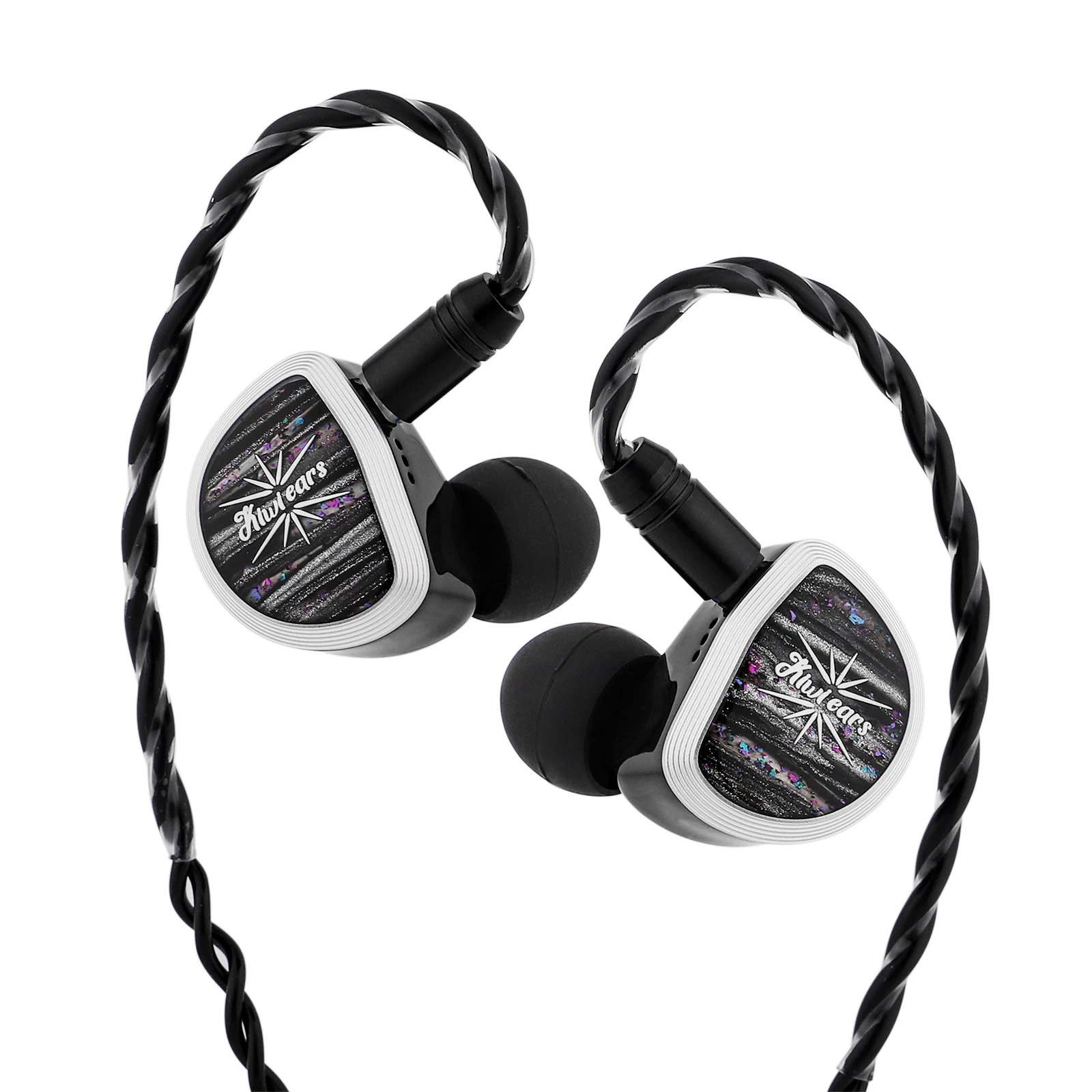
Kiwi Ears Aether
Unboxing Experience
The Aether arrives in a premium looking silver box that immediately signals attention to detail. Inside, the layout is clean and modular, with each accessory carefully organized. Alongside the IEMs themselves, the package includes a hard carrying case, a detachable cable with a 3.5 mm termination, and three sets of silicone ear tips in different bore sizes. The case is compact yet protective, making it easy to carry around, and while the included tips are serviceable, I quickly found myself experimenting with aftermarket options for better fit and sound.
The one notable omission is a balanced cable. At this price point I would have liked to see either a 4.4 mm balanced option or a modular cable system. Since planars often benefit from a little more power, this feels like a missed opportunity. Still, everything you need to get started is here and the overall presentation feels classy without being wasteful.

Kiwi Ears Aether Accessories
Build Quality and Design
Kiwi Ears has developed a signature aesthetic and the Aether fits right into their lineup while adding a touch of uniqueness. The shells are made of medical grade resin, lightweight yet sturdy, and capped with glittery faceplates framed by a metallic ring. Depending on the light, the faceplates shimmer with purple, blue, and silver accents, giving them an elegant but not over-the-top look.
The shells are on the larger side to accommodate the massive driver, and the nozzles are fairly wide. Despite this, the weight is kept low at around 7 grams per side, and once in the ear they do not feel cumbersome. I did need to play with tips to find the right fit, as the short and thick nozzles can be tricky for some ears. Once dialed in, though, comfort was excellent. I managed several three-hour sessions without fatigue, something I cannot say for all large planar IEMs.
There are multiple vents on each shell, which helps alleviate pressure build-up and avoids driver flex. The attention to venting also contributes to the Aether’s open and airy presentation. While the build quality is not as luxurious as some metal-bodied competitors, the resin feels durable and well put together. The lightweight nature actually makes it easier for long listening sessions compared to heavier full-metal housings.
The included cable is functional but basic. It avoids tangling, includes a chin slider that works, and has minimal microphonics, but it does not scream premium. I swapped it for an aftermarket balanced cable and noticed improved dynamics when paired with a more powerful source. Still, for casual use the stock cable is perfectly fine.
Sound Impressions
The Kiwi Ears Aether takes advantage of its 15.3 mm planar driver to create a sound that combines technical precision with a sense of musical enjoyment. The overall tuning leans toward a balanced W-shape with emphasis on sub bass, clear mids, and an airy treble that avoids harshness most of the time.
Bass
The bass is one of the highlights of the Aether. Extension into the sub bass is excellent, delivering a satisfying rumble that adds weight to electronic and cinematic tracks without overpowering the mix. The mid bass is tight and controlled, giving punch to drums and bass guitars but never bleeding into the mids. Compared to other planars like the Letshuoer S12 Pro, the Aether’s bass feels more natural and textured, closer to what you would expect from a dynamic driver but with the speed and precision of a planar. It is not a basshead IEM, but it provides enough low-end authority to keep modern genres lively while remaining clean and articulate.
Midrange
The midrange strikes a careful balance between neutrality and warmth. Male vocals have body without sounding overly thick, while female vocals come through with clarity and presence. Instruments like guitars and pianos sound natural and well separated. The Aether avoids the pitfall of recessed mids that plague many V-shaped IEMs, instead offering a presentation that places vocals slightly forward while maintaining space for instruments to breathe. Acoustic tracks and vocal-centric music in particular shine here.
Treble
Treble performance is often where planar IEMs struggle, but the Aether handles this range with finesse. There is sparkle and air, cymbals and hi-hats sound crisp and layered, and micro details are easy to pick out. Importantly, the treble avoids excessive sharpness most of the time, though at very high volumes it can become edgy. I found that using warmer sources and foam tips smoothed the upper registers, creating a fatigue-free experience even over long sessions. For listeners sensitive to treble, the Aether is safer than some of its brighter competitors.
Technical Performance
This is where the Aether really justifies its price. Imaging is precise, instrument separation is excellent, and the soundstage feels wide and spacious. At times I felt like I was listening to full sized headphones rather than in ear monitors. Planar speed is evident in the transient response, with notes starting and stopping cleanly, giving complex tracks a layered and holographic presentation. For critical listening or even gaming, the Aether delivers above expectations.
Comparisons
Planar IEMs have become a crowded field, so it is natural to compare the Aether with popular rivals.
-
7Hz Timeless: The Timeless is more compact and easier to fit, but the Aether offers a larger soundstage and a more natural bass response. The Timeless can sound slightly metallic, while the Aether feels smoother overall.
-
Letshuoer S12 Pro: The S12 Pro hits harder in the bass and can sound more energetic, but the Aether provides better control and refinement. For long listening, I prefer the more balanced nature of the Aether.
-
Hidizs MP145: The MP145 has a more premium build and accessories, but sonically the Aether feels more polished, especially in the treble where the MP145 can get splashy. Both have impressive bass, but the Aether edges ahead in technicalities.
-
Hifiman HE400se (headphone): While not an IEM, the Aether’s tuning reminded me of this popular planar headphone. Both share a sense of openness and natural timbre, though the Aether is more refined in imaging and resolution given its in-ear design.
Overall, the Aether competes strongly with all of these and often comes out ahead in terms of overall balance and versatility.
Who Should Buy the Kiwi Ears Aether?
The Aether is a great fit for listeners who want a planar IEM that blends musicality with technical excellence. It works well across many genres including jazz, acoustic, pop, EDM, and even classical. If you enjoy spacious sound with clear mids and controlled bass, this is a set that will keep you engaged for hours.
It is especially appealing for those who want an IEM that feels closer to listening to full size headphones, thanks to its wide staging and immersive imaging. Gamers and critical listeners will also appreciate its ability to highlight positional cues and micro details.
However, if you have very small ears, the large shells may pose comfort challenges. If you are extremely sensitive to treble peaks, you may also want to pair it with warm sources or foam tips to tame the occasional sharpness. And if you expect premium accessories at this price, you may find the included cable and tips underwhelming.
Conclusion / Final Verdict
After extensive listening, I can say the Kiwi Ears Aether exceeded my expectations. It is not perfect - the size may not fit everyone and the accessories could be better - but the sound quality is truly impressive. The bass is clean and satisfying, the mids are natural and engaging, the treble sparkles without being harsh, and the technical performance is excellent for the price.
What Kiwi Ears has achieved here is a planar IEM that feels complete. It offers refinement without being boring, energy without being fatiguing, and technical prowess without losing musicality. At around $170, it provides value that rivals and even surpasses more expensive options.
If you are looking for a planar IEM that delivers a near full size headphone experience in an in-ear form factor, the Kiwi Ears Aether deserves a place high on your shortlist.
Where to Buy
You can find the Kiwi Ears Aether on:
Affiliate Disclaimer: Listen Vibes may earn commissions from qualifying purchases that helps to maintain the website - at no extra cost to you.