When I first picked up the KZ Decet, I knew I was dealing with something different. Five dynamic drivers per side is a configuration that almost sounds like a school project gone wild, but once I spent real time with it, the idea began to make sense. The Decet is one of those rare budget IEMs that does not try to imitate anything else. Instead, it delivers a bold and physical presentation that kept me coming back for more. After weeks of use, burn in, and comparisons with several models in my collection, I can finally share my full experience.
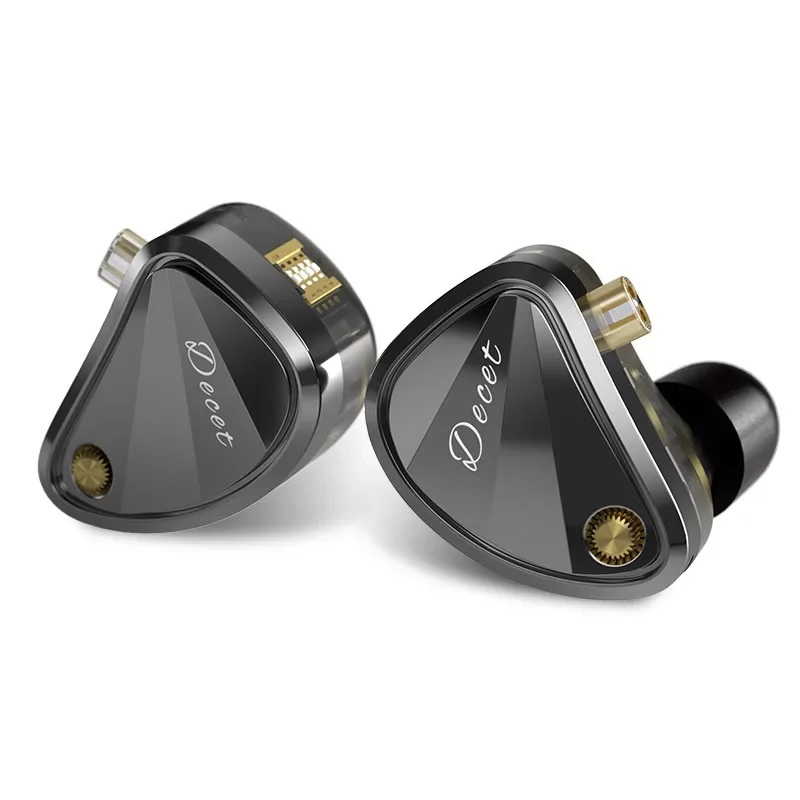
KZ Decet
Unboxing
The unboxing of the KZ Decet marks a shift from older KZ releases. For years the brand relied on white cardboard boxes with eco friendly paper trays. This time the packaging arrives in a darker theme with a more modern presentation. It is still simple, but it looks more premium than what KZ offered in the past.
Inside the box I found the earpieces, a detachable two pin cable, a set of silicone tips, and an additional set of foam tips already preinstalled on the IEMs. The inclusion of foam tips is a pleasant surprise since they help with seal and resonance control. There is also a small quick start guide that explains the tuning switches and basic specifications. Nothing flashy, nothing unnecessary. It is the kind of unboxing that gets straight to the point and lets the product speak for itself.
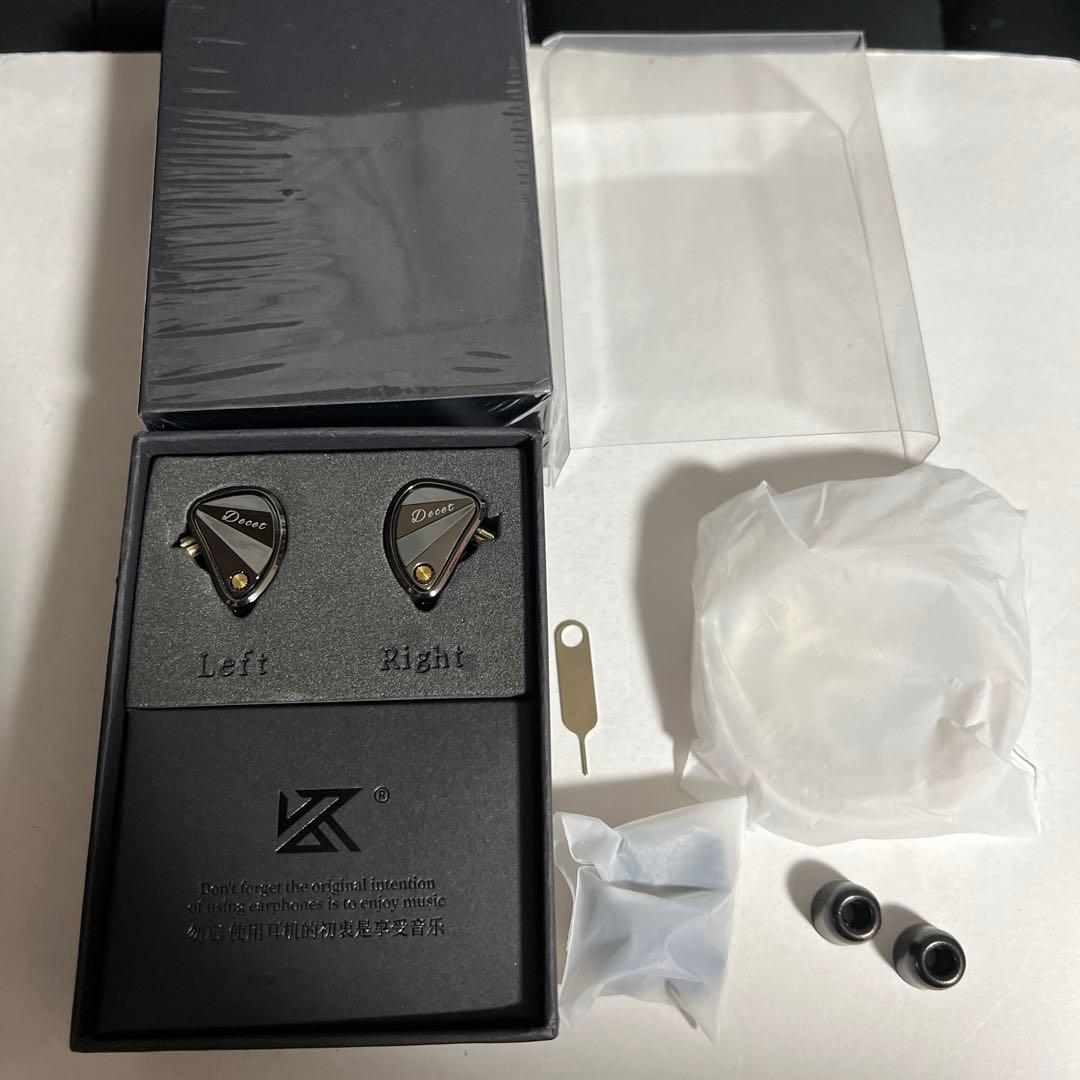
KZ Decet Accessories
Build Quality and Design
The KZ Decet looks unlike most dynamic driver IEMs. Housing ten drivers inside a resin shell usually creates bulk, so I expected these to feel huge and heavy. Surprisingly, the size remains fairly moderate, close to several multi BA models I have used from KZ. They are not tiny but nowhere near the oversized shells that some hybrids tend to have.
The shell is made of medical grade resin and shaped with 3D printing techniques that give it a precise internal layout. The faceplate is metal and adds a touch of refinement to the design. The shell does sit slightly outward from the ear for some people depending on the ear shape, but once I adjusted the angle I had no comfort issues. With the foam tips the seal was immediate and consistent, and the nozzles fit naturally without pressure points.
The included cable is the familiar KZ basic cable. It works but does not match the ambitious driver count of the Decet. I immediately felt the need to swap it for something more substantial. With a better cable I noticed improvements in control and resolution, especially in complex passages. The stock cable is acceptable for casual use, but the Decet clearly scales when you feed it with a cleaner source and a sturdier cable.
On the side of each shell are four small tuning switches. These are not the easiest to toggle because of their size, but they do function correctly once I get a grip on them. The tuning changes are subtle, mostly altering bass levels rather than changing the entire tonal balance. I ended up using the 1100 setting most often because it boosts the low end without choking the mids.
At the core of the Decet is one of the most unusual driver arrangements I have seen in a sub fifty dollar IEM. Each side contains two eight millimeter drivers and three six millimeter drivers. The eight millimeter pair focuses on bass and lower mids with authority and texture. The three six millimeter drivers handle mids and treble support with surprising smoothness. A three way crossover ties everything together.
The result is a design that feels experimental and ambitious at first, but in practice it is surprisingly coherent. I have heard plenty of multi BA sets that struggle more with coherence than this multi dynamic driver model.
Sound
From the moment I started listening to the Decet, it became clear that this is a bass focused IEM. Not only in quantity but also in character. The low end is full, muscular, textured, and deeply satisfying. What surprised me most is that the bass remains controlled even when heavily boosted with the tuning switches. It never collapses into mud. Instead it provides a thick and powerful foundation that makes the entire sound signature feel alive.
Bass
The bass is the highlight of the Decet. It has physical impact and weight that reminds me of old school dynamic driver sets designed purely for fun. Yet it is cleaner and better controlled than many of those older designs. Sub bass extends easily and does not fall apart at high volumes. Mid bass has slam and punch but leaves enough space to avoid smothering vocals.
If there is one thing to keep in mind, it is that the bass can feel overwhelming for neutral listeners. This is not a dry or analytical tuning. The Decet is all about musical engagement and low frequency authority.
Midrange
The midrange sits slightly behind the bass, but it does not feel drowned. Male vocals gain a pleasing sense of body thanks to the lower midrange thickness. Female vocals remain clear and stable. They may sound a little warmer or more husky than on neutral sets, but they never come across as veiled.
Instrument timbre is surprisingly realistic for a multi dynamic driver configuration. Guitars maintain their bite without harshness. Pianos have weight without bloom. The Decet offers a warm midrange, not a muffled one, and that distinction matters a lot during long listening sessions.
Treble
Treble on the Decet strikes a comfortable balance between brightness and smoothness. There is enough energy to keep the sound open and detailed, but KZ clearly avoided the sharpness that appeared in some older models. Cymbals have texture but do not attack my ears. High hats sparkle without shrillness. The extension is decent, and I found the treble to contribute to a wider sense of stage than I expected from such a bass heavy IEM.
At very high volumes the upper treble can add a bit of shine that some listeners may notice, but it never crosses into aggressive territory. For most genres the treble simply feels safe, enjoyable, and spacious.
Technical Performance
The KZ Decet performs above its price point when it comes to staging and layering. The stage is wider and deeper than what I usually hear in multi dynamic driver budget sets. Layering between bass instruments and percussive elements is particularly strong. Imaging is stable and instruments settle into place without confusion.
Detail retrieval is not reference tier, but it is more than enough to feel engaging. The Decet does not try to dissect every micro detail. Instead it creates an immersive presentation that balances clarity with musicality.
After around twenty to thirty hours of use I noticed the low end settling and the treble smoothing slightly. By fifty hours everything felt more integrated. I do not often comment on burn in, but in this case the changes were noticeable enough to mention.
Comparisons
KZ Castor Pro Bass Edition
The closest relative to the Decet is the Castor Pro Bass Edition. These two share a similar spirit. Both provide thick satisfying bass and clean mids. However the Decet has tighter bass with more impact and a slightly faster response. The Castor Pro feels warmer while the Decet feels more energetic.
KZ Castor Pro Harman Edition
Compared to the Harman tuned Castor Pro, the Decet is far more colored and engaging. The Harman edition is balanced and versatile, while the Decet leans heavily toward fun and physicality.
KZ AM16
The KZ AM16 and the Decet serve completely different listeners. The AM16 is articulate and clear with excellent BA coherence. The Decet is thick, powerful, and atmospheric. For anyone who wants an immersive and full bodied presentation, the Decet stands out.
Who Is This For
The KZ Decet is ideal for listeners who enjoy an energetic sound with strong bass presence and a warm musical midrange. It excels with modern genres such as electronic, hip hop, pop, rock, and cinematic soundtracks. It also performs well at low and medium volumes because the bass keeps the music lively even without loudness.
It is not intended for listeners who want a flat or analytical tuning. It is also not the best match for classical purists who need strict separation during dense orchestral passages. The Decet emphasizes body and musicality over precision.
If you want an IEM that is engaging, dynamic, and fun to use every day, the Decet is a strong choice.
Conclusion and Final Verdict
After extensive listening, experimenting with switch settings, changing cables, and comparing the Decet to other models, I can confidently say that this is one of the most enjoyable releases from KZ in recent years. The multi driver architecture may look overwhelming on paper, but KZ managed to create a coherent and engaging tuning that combines heavy hitting bass, rich mids, and airy treble.
The Decet is not a neutral reference tool. It is a musical IEM designed for enjoyment, and it succeeds at that task. It scales well with better sources and accessories, offers flexible tuning options, and keeps the experience fun even during long sessions.
For its price the KZ Decet delivers a powerful blend of performance, character, and value. If you want an IEM that feels alive and immersive, this one deserves a place on your list.
Where to Buy
You can find the KZ Decet on:
Affiliate Disclaimer: Listen Vibes may earn commissions from qualifying purchases that helps to maintain the website - at no extra cost to you.