The TRN Shell is the kind of budget hybrid IEM that makes the price tag feel almost misleading. At roughly $60 to $65, it brings together four different driver technologies, interchangeable tuning nozzles, a premium-looking metal shell, and a modular cable with both 3.5mm and 4.4mm plugs. That is already an ambitious package, but the more important question is whether all of those parts work together musically instead of becoming a collection of impressive specifications.
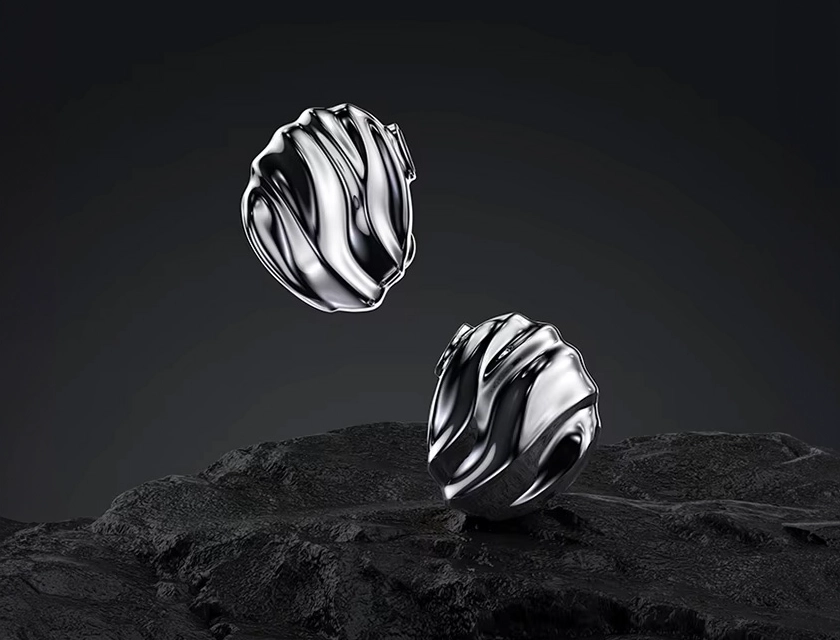
TRN Shell
To my ears, the Shell stands out because it aims for a more mature balance than the aggressively V-shaped tuning often associated with affordable TRN models. It still has energy, impact, and a lively presentation, but it does not appear to rely on exaggerated bass and treble to create excitement. The overall character is detailed, dynamic, and engaging while keeping the midrange present enough to make vocals and acoustic instruments feel convincing.
The internal configuration is unusually complex for this price. Each earpiece combines a 10.5mm beryllium-coated dynamic driver, an 8mm PET dynamic driver, a 6mm titanium-coated dynamic driver, and a 6mm micro-planar driver. A setup like this could easily sound disjointed if the crossover or tuning were not handled carefully. Instead, the Shell’s driver integration is one of its strongest qualities. The transitions between frequency ranges feel smooth, and I do not get the impression that one driver is constantly competing with the others for attention.
That does not mean the Shell is perfect or that it suddenly performs like a flagship IEM. Its strengths remain grounded in its price category. Still, the combination of tonal balance, bass control, detail retrieval, and practical accessories gives it a level of polish that I would normally expect from a more expensive product.
Unboxing and First Impressions
The TRN Shell makes a strong first impression because the package is built around useful customization rather than unnecessary presentation. The included accessories give the listener room to adjust fit and tuning without immediately buying extra parts. A selection of ear tips is included, and the interchangeable nozzles provide a meaningful way to alter the sound rather than functioning as a decorative feature.
The nozzle system is especially valuable because fit and tonal preference are closely connected with IEMs. Different ear tips can change seal, bass response, comfort, and perceived treble energy, while the tuning nozzles offer another level of adjustment. That makes the Shell more flexible than a typical fixed-tuning IEM in this price range. I would still encourage experimenting with the supplied options before deciding on a final setup, since the best combination will depend on ear shape and listening preferences.
The cable is another major highlight. It feels soft, resists tangling well, and avoids adding unnecessary bulk during regular use. The modular connector system includes interchangeable 3.5mm single-ended and 4.4mm balanced plugs, allowing the same cable to work with a wider range of sources. The plugs lock securely and are easy to swap, which makes the feature practical rather than merely impressive on a specification sheet.
The cable is noticeably more versatile than what is normally included at this price. Some listeners may still prefer a different aftermarket cable based on feel or appearance, and the package is not completely free from criticism. Even so, the modular system adds real long-term value. Instead of replacing the entire cable when changing from a standard output to a balanced source, I can simply change the termination and continue using the same setup.
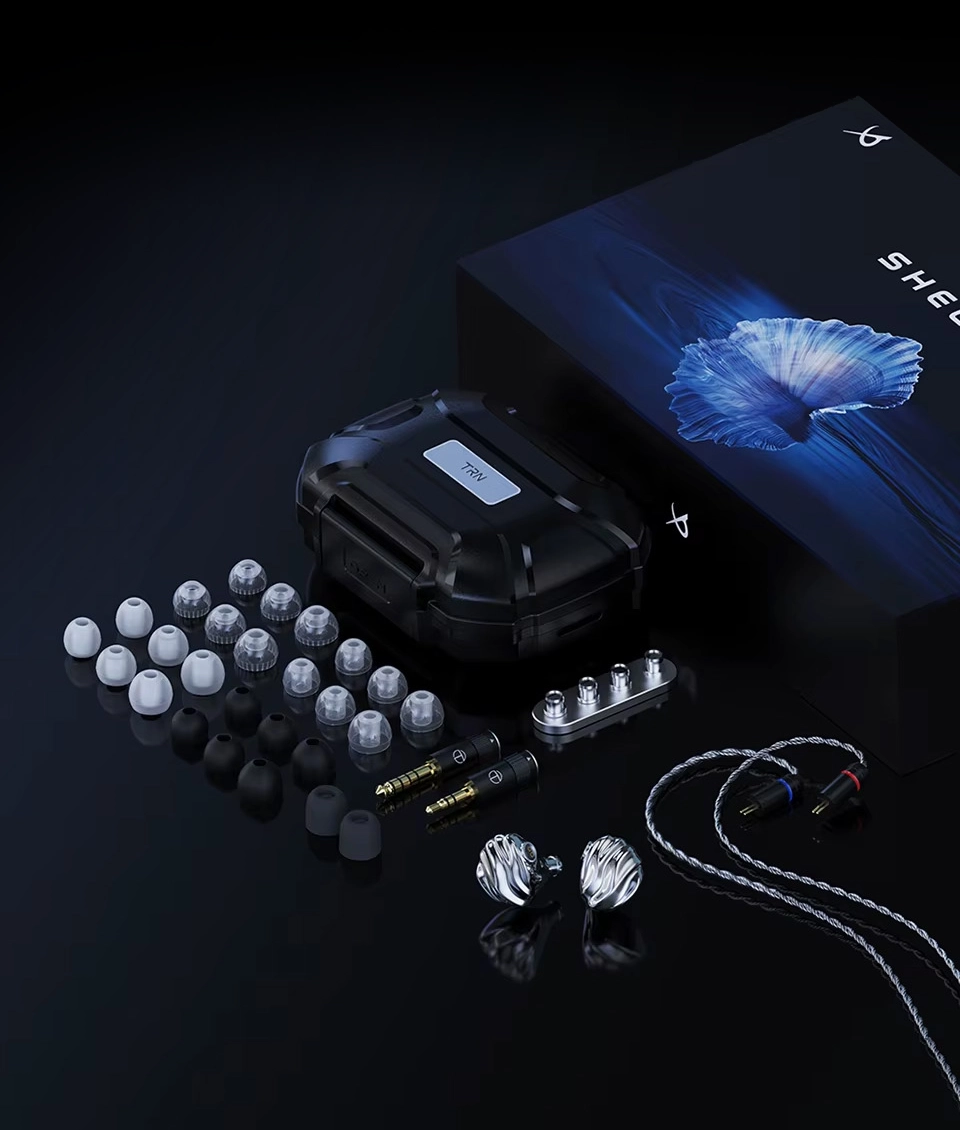
TRN Shell Accessories
Build Quality and Design
The Shell uses a liquid-metal body with a dense, premium feel and a polished exterior that immediately separates it from many lightweight resin competitors. The housing has a distinctive appearance, although design is naturally subjective. I find the shape more interesting than a generic metal shell, and the construction gives the IEM a substantial impression without making it feel unnecessarily bulky.
The machining appears carefully executed. The edges are smooth, the threaded nozzles operate precisely, and the modular connection system locks firmly into place. Those details matter because interchangeable components can become frustrating when tolerances are loose or parts feel fragile. Here, the tuning system seems integrated into the product rather than added as an afterthought.
The glossy finish is attractive but comes with an obvious drawback: it shows fingerprints easily. Anyone who prefers a perfectly clean appearance will probably need to wipe the shells regularly. This is a cosmetic issue rather than a functional one, but it is worth mentioning because the reflective surface draws attention to smudges more readily than a matte finish would.
Comfort is helped by the ergonomic shape and the availability of several ear-tip options. The shell is designed to sit naturally in the ear, and the smooth housing avoids the sharp edges that can create pressure during longer sessions. Fit remains personal, however, so the experience will vary with ear anatomy and tip selection. The included customization is useful precisely because it gives more room to find a secure seal without immediately turning to aftermarket accessories.
The overall build feels considerably more refined than the price suggests. The metal construction, clean machining, interchangeable nozzles, and modular cable create a package that feels complete. Rather than spending the entire budget on the driver configuration and cutting corners elsewhere, TRN has given the Shell a level of physical quality that supports its ambitious acoustic design.
Sound Quality
The TRN Shell has a balanced but energetic sound that combines strong bass control, natural mids, lively treble, and impressive separation. Its presentation is more mature than an aggressively V-shaped tuning, yet it is not dull or overly restrained. The Shell keeps enough impact and clarity to sound exciting while avoiding the sense that the bass or upper frequencies are constantly overshadowing everything else.
The four-driver configuration works surprisingly well as a unified system. I hear smooth transitions between the frequency ranges rather than obvious changes in texture or character. The result is a coherent presentation with good dynamics and detail. The Shell can sound more expensive than its price suggests, particularly when the recording contains layered instruments or subtle background information, although its technical performance still has limits and should not be confused with true high-end resolution.
Bass
The bass is one of the Shell’s most convincing strengths. It reaches deep, remains tight, and carries enough texture to distinguish different low-frequency instruments instead of turning everything into a single heavy thump. Electronic music benefits from strong impact and satisfying weight, but the low end avoids becoming bloated or excessively slow. Bass lines retain definition, and rhythmic passages feel controlled rather than loose.
Acoustic bass instruments also benefit from the Shell’s balance between body and texture. Notes have enough physical presence to sound substantial, while the details of plucked strings and natural resonance remain audible. This gives the low end versatility across electronic, rock, jazz, and acoustic recordings.
The bass is not simply boosted for the sake of excitement. Its control is a major part of why the overall tuning works. The low frequencies provide a stable foundation without masking the midrange, and the attack remains quick enough to keep complex passages organized. Listeners looking for an exaggerated basshead presentation may want more sheer quantity, but those who value depth, texture, and discipline should find the Shell more satisfying.
Midrange
The midrange is clear, natural, and well separated from the bass. Male vocals have convincing weight without becoming thick or congested, while female vocals come through with strong clarity and avoid excessive brightness. The lower mids do not appear overly bloated, even though the tuning could suggest more warmth on paper.
Instrumental timbre is another strength. Acoustic instruments carry a believable tone, and piano notes have satisfying harmonic richness. The Shell does not push the midrange so far forward that every recording becomes vocal-centered, but voices remain easy to follow within dense arrangements.
Opinions differ somewhat on the exact character of the mids, particularly regarding their warmth and lower-mid presence. My takeaway is that the Shell prioritizes clarity and separation while retaining enough body to avoid sounding thin. It is not a lush, heavily romantic midrange, but it also does not feel sterile. That balance makes it suitable for a wide range of genres and gives it a more versatile character than a strongly colored tuning.
Treble
The treble is lively, detailed, and energetic without being consistently harsh. Cymbals are clear, violins remain smooth, and small background details emerge without automatically making long listening sessions tiring. The micro-planar driver contributes quick transient response and a sense of openness that helps the Shell sound more resolving than many similarly priced hybrids.
Treble sensitivity remains an important consideration. Opinions differ on how much upper-frequency energy the Shell presents, and listeners who are especially sensitive to brightness may prefer one of the more relaxed tuning options. The interchangeable nozzles are useful here because they allow the presentation to be adjusted instead of forcing every listener into one fixed response.
With the more balanced approach, the Shell maintains clarity and sparkle while becoming more tolerant of average recordings. That is an important advantage because an IEM can reveal detail without turning every imperfect track into an unpleasant experience. The Shell generally favors energy over excessive smoothness, but it avoids the sharp, brittle quality that often makes bright budget IEMs difficult to enjoy for long periods.
Technical Performance
The Shell performs strongly in detail retrieval, separation, imaging, and soundstage for its price. Subtle information hidden deeper in recordings is easier to notice, and complex arrangements remain organized. The soundstage is reasonably wide, while imaging helps place instruments and vocal elements with convincing precision.
The presentation is not truly holographic, and the stage does not create the three-dimensional illusion associated with much more expensive IEMs. That limitation is worth keeping in perspective. The Shell’s technical ability is impressive because it delivers a level of resolution and control that feels above its price class, not because it eliminates the compromises of a budget product.
Its fast attack and controlled transients make it especially enjoyable for critical listening. The sound has enough analytical ability to expose small details, but the tuning remains musical and coherent. That combination is the Shell’s defining technical strength: it sounds capable without becoming detached or overly clinical.
How It Compares
The TRN Shell competes in a crowded price range, but its complete package gives it a strong advantage. Many alternatives around $60 to $70 offer either an appealing tuning, a premium shell, or a good cable. The Shell combines all three while adding interchangeable tuning nozzles and modular 3.5mm and 4.4mm terminations.
Against the BQEYZ Ni, the Shell places greater emphasis on extracting subtle information from recordings. Small background details are easier to identify, and the overall presentation feels more technically focused. The Ni places more emphasis on long-term comfort and a smoother experience, particularly in the treble. The choice depends on whether detail retrieval or a more relaxed presentation is the higher priority.
The Shell also compares favorably with typical hybrids in its own price class because its four-driver configuration sounds integrated rather than fragmented. The bass remains controlled, the mids stay natural, and the treble adds energy without dominating the presentation. Its modular cable is significantly more versatile than the basic fixed-termination cables commonly included with budget IEMs.
The strongest comparison may be with products above its price range. The Shell can deliver the sense of detail, balance, and refinement I would associate with an IEM in the $100 to $150 category. That does not make it equal to every product in that range, but it does explain why its value proposition is so compelling.
Is It Right for You?
The TRN Shell is a strong choice for listeners who want a detailed, energetic, and balanced hybrid without paying well over $100. It suits someone who enjoys hearing subtle information in recordings but does not want an aggressively analytical IEM that makes every imperfect track difficult to tolerate.
It should work particularly well with electronic music because the bass has strong impact and remains controlled. Rock and metal benefit from the quick attack, separation, and lively treble, while jazz and acoustic music take advantage of the natural instrumental tone and textured low end. Vocal-focused music also performs well because male voices retain body and female vocals remain clear without excessive brightness.
The Shell is also attractive for listeners who use more than one source. The included 3.5mm and 4.4mm modular plugs make it easy to move between standard and balanced outputs without replacing the cable. The tuning nozzles add another layer of flexibility for anyone who wants to adjust the sound or reduce upper-frequency energy.
I would be more cautious if maximum bass quantity is the main goal. The Shell has deep and impactful bass, but its priority is control and texture rather than overwhelming physical weight. Extremely treble-sensitive listeners should also experiment with the nozzle options before deciding whether the presentation suits them.
For listeners who want one versatile IEM capable of handling energetic music, acoustic recordings, detailed listening, and everyday use, the Shell offers an unusually complete combination of sound quality, build, and customization.
Final Verdict
The TRN Shell succeeds because its ambitious design is supported by a coherent tuning. The four-driver configuration does not sound like a collection of separate components. Instead, it produces tight and textured bass, natural mids, lively but controlled treble, and technical performance that feels unusually refined for roughly $65.
The premium metal construction, ergonomic shape, interchangeable tuning nozzles, and modular cable strengthen the value further. The glossy finish attracts fingerprints, and the cable may still leave room for personal preference, but these are minor concerns beside the overall quality of the package.
The Shell is not a flagship disguised as a budget IEM. Its soundstage is not truly holographic, and its resolution has understandable limits. What makes it impressive is how intelligently it balances those limitations. It delivers detail without becoming relentlessly clinical, energy without constant harshness, and bass impact without sacrificing control.
For listeners seeking a mature, versatile hybrid with strong technical ability and meaningful customization, the TRN Shell is one of the most compelling options in its price range. It feels less like a compromise and more like a carefully assembled package that happens to cost far less than its sound and features initially suggest.
Where to Buy
You can find the TRN Shell on:
Affiliate Disclaimer: Listen Vibes may earn commissions from qualifying purchases that helps to maintain the website - at no extra cost to you.