The most interesting thing about the CrinEar Nightfall is not that it offers a radical new sound. It brings a recognizable tuning philosophy into a more affordable package. At roughly $100, this dual dynamic driver in ear monitor is the least expensive route into CrinEar’s take on the IEF 2025 target, a presentation already associated with costlier models in the line. That makes the Nightfall appealing before sound enters the discussion.
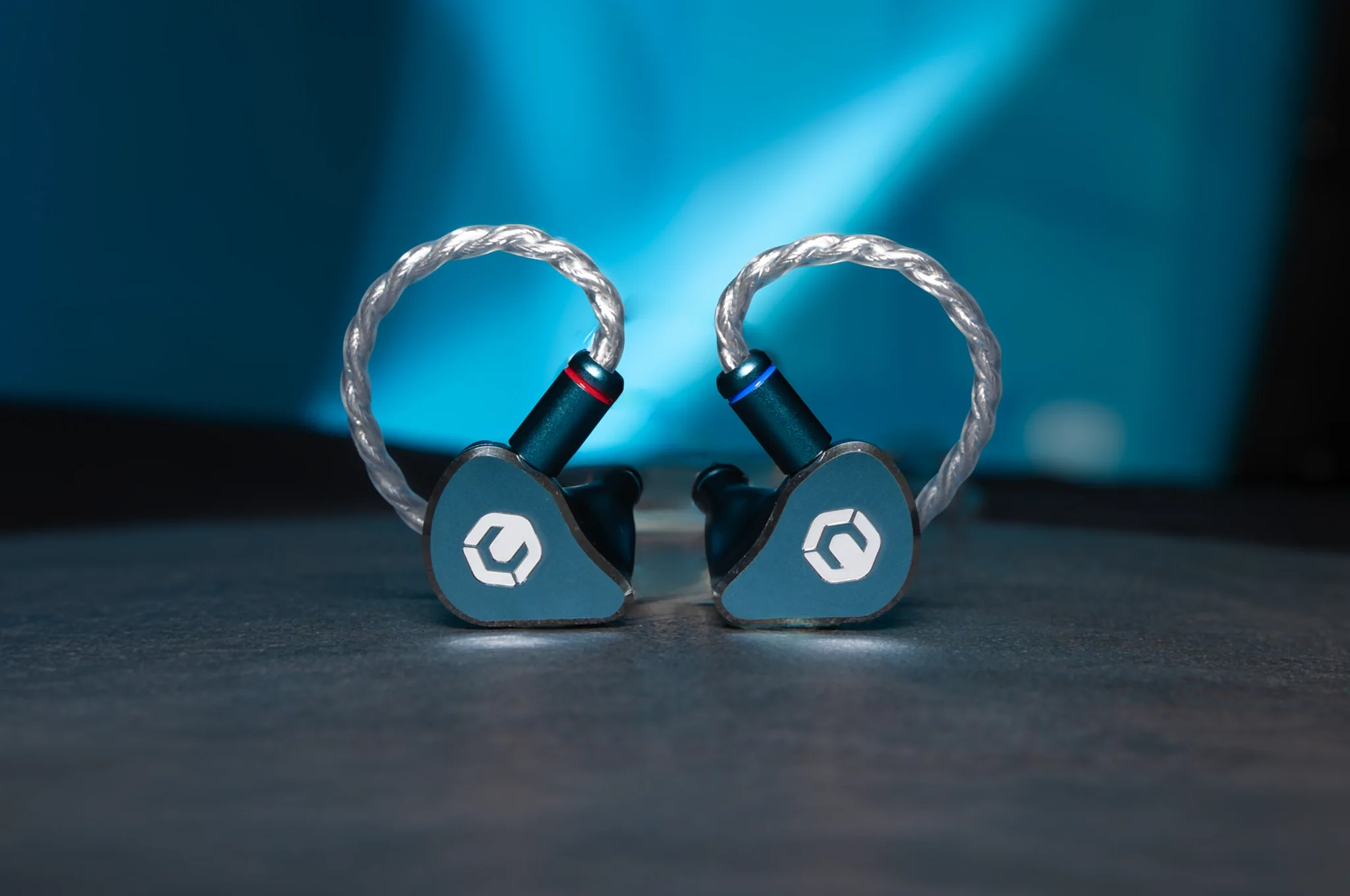
Crinear Nightfall
What stands out to me is how little the Nightfall treats affordability as an excuse to compromise on the physical product. Its metal earpieces, compact shape, useful accessories, and interchangeable cable terminations give it a surprisingly complete feel for the money. The sound follows a similarly approachable direction: bass that sits above strict neutrality, warmth through the lower midrange, and treble that favors smoothness over bite.
That combination is attractive, but it has a clear trade off. I appreciate an earphone that avoids aggressive treble, yet I still want cymbals and instruments to have a convincing leading edge. The Nightfall can be a touch too polite in that respect. It emphasizes listenability over drama, a worthwhile choice as long as that restraint matches the music you enjoy.
Can a well equipped $100 IEM make relaxed enjoyment more compelling than excitement? Its design makes a strong case, while its gentle top end may feel inviting or restrained.
Unboxing and First Impressions
The Nightfall makes a good first impression through the accessories rather than elaborate presentation. For around $100, the package feels thoughtfully assembled. There is a carrying case, a selection of ear tips, and a cable that covers two common output connections without requiring an advance choice.
The case is a particularly practical inclusion. It has a soft, squishy silicone like construction and a zipper to keep the earphones and loose accessories together. I like that it compresses into a bag or pocket. It is an organizer, though, not serious crush protection.
The supplied tips deserve attention, too. The assortment is a strength, including a slightly conical, medium bore option. I would experiment rather than settle on the first pair that seals. Tips affect both seal and sound, so the selection is part of the tuning experience rather than an afterthought. I appreciate having options straight from the box.
The cable completes a generous accessory set. Both standard 3.5 mm and balanced 4.4 mm terminations are included, and switching between them is straightforward. I value that flexibility far more than ornamental packaging.
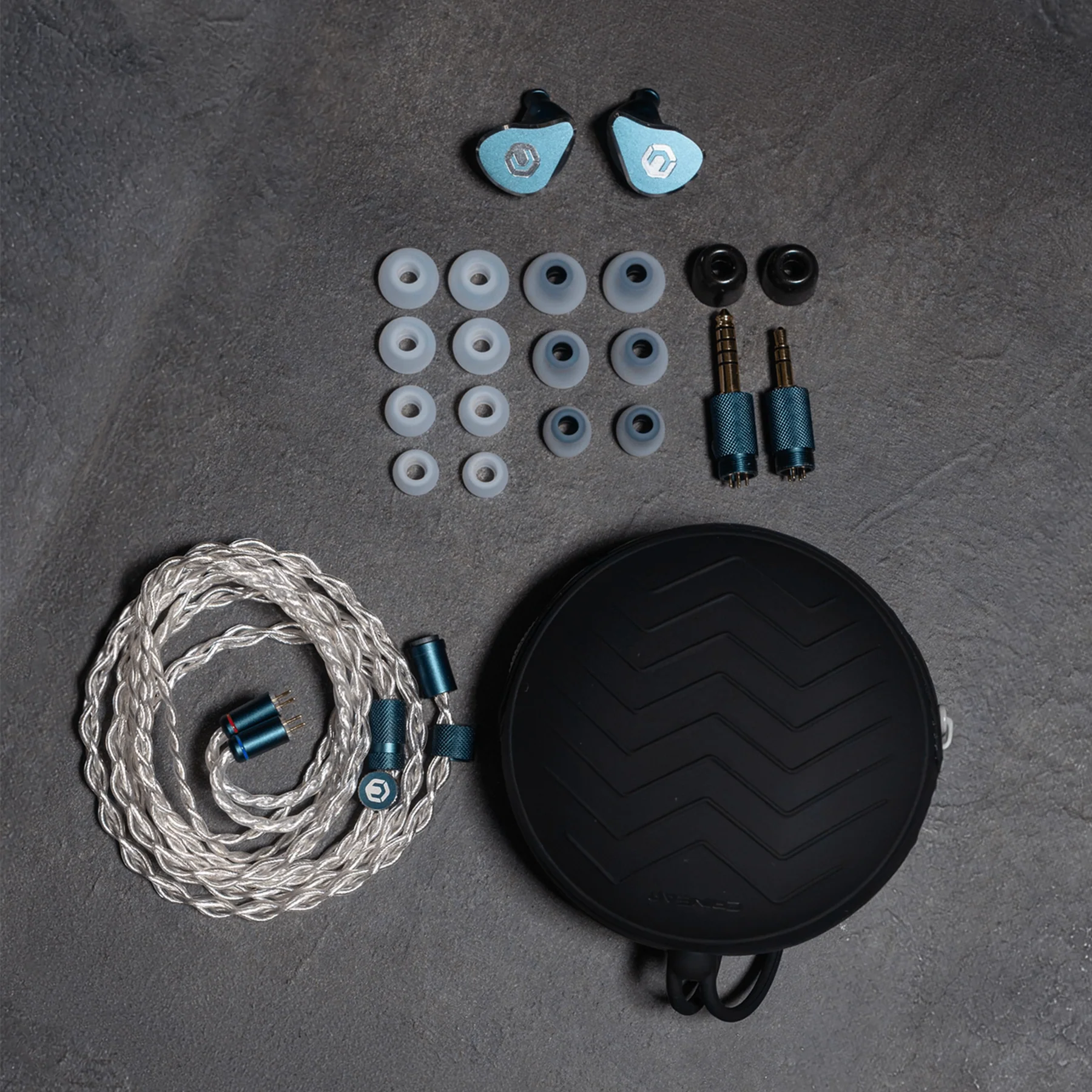
Crinear Nightfall Accessories
Build Quality and Design
The earpieces are where the Nightfall feels particularly competitive. An all metal construction at this price is noteworthy, especially with a semi custom, ear shaped housing. The housings are compact, and I much prefer this restrained size to the oversized shells that can make otherwise appealing IEMs awkward to wear.
I like the understated color and shape, but the faceplates look plain. I would welcome more visual character. The resemblance to CrinEar’s Reference model gives the design a familiar identity without making it especially distinctive. Physical execution matters more.
Comfort is among the Nightfall’s stronger qualities. Its shallow insertion and compact body suit a less intrusive fit. The nozzles are not unusually narrow, so I would still pay attention to tip sizing, but the overall geometry is friendly. That geometry is a major advantage.
The detachable cable uses conventional two pin connectors and pre formed ear hooks. The connectors feel sensibly supported, and the interchangeable plug adds versatility. Those familiar ear hooks and detachable connections are sensible choices for an everyday IEM. A replaceable cable also leaves room for a different fit or feel without replacing the earphones. The cable itself is light, thin, and rather basic; it does its job without contributing much sense of luxury. I am also less enthusiastic about the size of the chin slider, which could be more discreet.
I value the shell construction and fit more than the styling. These practical strengths are immediately more persuasive to me than its modest visual personality. The budget seems to have gone into durable feeling earpieces and useful functionality, exactly where I would prefer it.
Sound Quality
The Nightfall follows a warm, easygoing interpretation of the IEF 2025 tuning direction. It has more low end presence than a strictly neutral earphone, a pleasing amount of body in the lower mids, and enough energy higher up to keep the presentation from becoming lifeless. Its defining limitation is not obvious tonal imbalance, but a slightly softened sense of attack. I find it inviting and generally natural, although not consistently thrilling.
Bass
Bass has substance here, and I welcome that. The Nightfall does not aim for a thin, analytical balance; its low frequencies give music a firmer foundation and make the overall signature more satisfying. The emphasis is above neutral, but I would not characterize the result solely by quantity. What matters is how that bass works with the rest of the response.
I particularly like the idea of warmth without excessive separation between bass and the lower midrange. There is some weight to instruments, and the overall balance avoids the stripped down quality that can make leaner tunings sound technically tidy but emotionally distant. At the same time, anyone seeking the tightest, most forceful sense of attack should temper expectations. The Nightfall’s smoother overall character still influences the impact of low frequency instruments.
Midrange
The midrange is easy to appreciate. The extra warmth down low lends voices and instruments a fuller character, while the upper mids contribute enough presence to keep the sound from disappearing behind the bass. I do not find this to be an obviously hollow or congested presentation, and that matters more to me than an exaggerated impression of detail.
Vocals are an especially sensible use for this balance if the goal is naturalness rather than maximum projection. I like the way the Nightfall avoids making every emphasized syllable sound hard or insistent. Still, that restraint comes at a cost: the final traces of texture and articulation are not always as vivid as I would like. The midrange is pleasant first and incisive second.
Treble
Treble is where the Nightfall fits my preferences least well, even though its intention is easy to understand. It is silky, relaxed, and relatively forgiving. There is a recognizable sense of timbre and definition, and the tuning does not push upper frequencies forward simply to manufacture an impression of clarity.
The problem is that I miss some edge. Cymbal strikes and the leading edges of instruments can lack the crispness and bite that make energetic music feel immediate. The upper mids and lower treble provide some liveliness, but the overall top end behavior remains more restrained than I would choose for maximum excitement.
That does not make the treble unsuccessful. It makes the Nightfall a better match for someone who values smoothness and avoids aggressive brightness. I can appreciate its composure while still wishing it took a slightly bolder approach.
Technical Performance
Technically, I regard the Nightfall as capable for its price rather than a benchmark setting performer. It communicates the main elements of a recording with enough clarity to support the musical balance, and its natural tonal character helps instruments make sense together. It is not dependent on exaggerated treble to sound intelligible.
What stops it from feeling exceptional is the softer presentation of transients and fine nuances. Detail is present, but the last degree of bite and air is not the priority. I would not buy this expecting a startling leap in resolution over other competent models near $100. Its achievement is putting agreeable tonality, useful bass weight, and a comfortable physical design into a coherent whole.
How It Compares
CrinEar’s own lineup is the obvious starting point. The Nightfall carries much of the IEF 2025 tuning philosophy associated with the more expensive Daybreak, at a lower price. It is less an upgrade ladder than a tuning decision. If the goal is to explore that warm, modern balance without spending more, the Nightfall makes the most immediate sense. Its affordability is a feature, not merely a consolation.
The Reference provides a useful point of comparison for the design and fit. The two share a related visual language, although I find the Nightfall’s compact, relatively shallow fitting approach especially attractive. I prioritize that practicality over elaborate looks.
Against the Truthear Hexa, the difference in treble attitude is easier to pin down. The Hexa is the more forward and aggressive option up top; the Nightfall takes a gentler route. I would choose the Nightfall when I wanted a smoother presentation and more warmth in the overall balance. When I want sharper articulation and a more assertive treble response, that comparison becomes less flattering to the Nightfall.
There is also a broader contrast with earlier IEF style targets. The Nightfall’s added lower midrange warmth makes it feel less lean and more relaxed. That tonal direction is the reason to consider it, but it is also why I would not recommend it indiscriminately to anyone who equates brightness with precision.
Is It Right for You?
I would put the Nightfall high on the shortlist for someone shopping around $100 who values comfort, build quality, and a forgiving tonal balance. It is particularly appealing if the goal is a portable IEM that does not require an immediate accessory upgrade. The metal shells, useful selection of tips, zippered case, and two included cable terminations make the package unusually convenient.
Musically, I would lean toward vocal focused listening and material that benefits from warmth and body rather than cutting edge treble attack. Elevated bass adds foundation without an overly sharp top end. For long stretches of everyday listening, I generally favor this kind of restraint over needless brightness.
I would be more cautious for someone who prioritizes crisp cymbals, aggressive guitar bite, and exceptionally explicit fine detail. The Nightfall has enough energy to avoid sounding dull by default, but it does not consistently deliver the sense of snap that makes those qualities stand out. Listeners seeking bright treble should look elsewhere.
Its compact fit is another advantage over bulky housings. I would still choose tips carefully, since a good seal and comfortable nozzle fit remain essential.
Final Verdict
The CrinEar Nightfall succeeds most convincingly as a complete $100 earphone, not as a technical showpiece. I like its metal construction, compact shape, easy fit, and genuinely useful accessories. The interchangeable plugs are convenient, even if the case offers limited protection.
Its sound is more qualified. The warm lower mids and above neutral bass make for an agreeable foundation, while the relaxed treble keeps the presentation approachable. I enjoy that lack of aggression, but I also want more attack and definition from energetic instruments. The Nightfall can sound a little too soft to provide the excitement that its otherwise solid balance deserves.
My verdict is positive, with a specific recommendation. Choose the Nightfall if you want a comfortable, well built IEM with a smooth, slightly warm sound and a strong accessory package at an accessible price. If incisive treble and striking technical performance are your main priorities, I would look elsewhere. The Nightfall’s real strength is making everyday listening simple and pleasant, even if it rarely makes a dramatic entrance.
Where to Buy
You can find the Crinear Nightfall on:
Affiliate Disclaimer: Listen Vibes may earn commissions from qualifying purchases that helps to maintain the website - at no extra cost to you.